Tag: epiphytic style

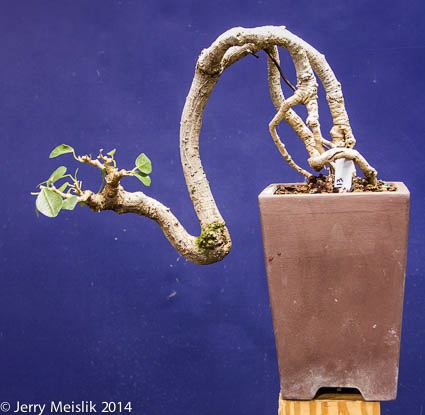
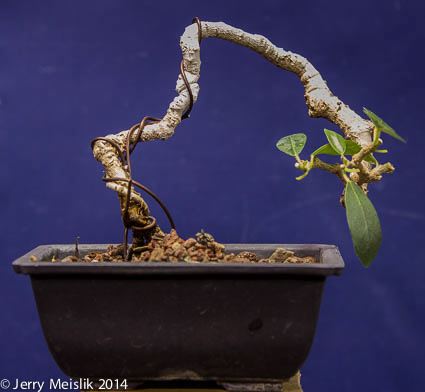
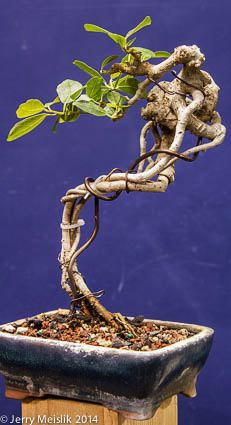
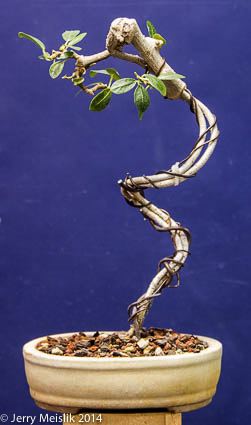
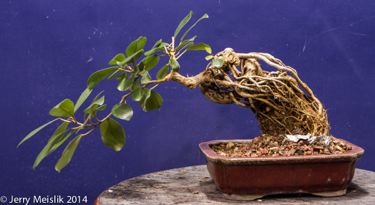
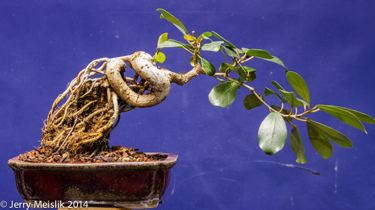
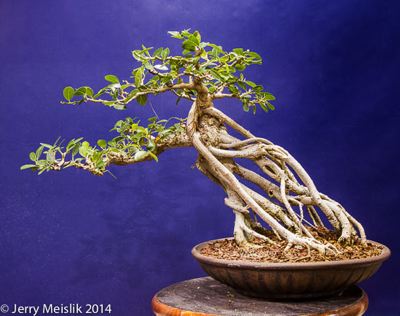
  • Two of my Ficus ‘Mystery’, #1 and #2

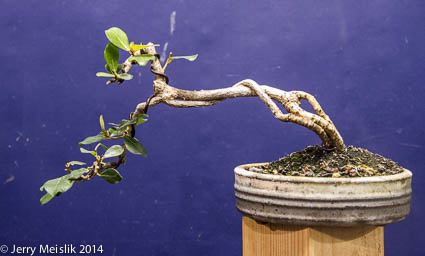
    Ficus 'Mystery' #1
    Ficus ‘Mystery’ #1

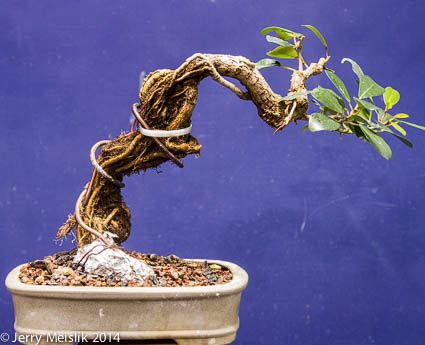
    Ficus ‘Mystery” is so called because its exact scientific name is unclear. No matter what this fig is called it is one of the best figs for bonsai that I have cared for.
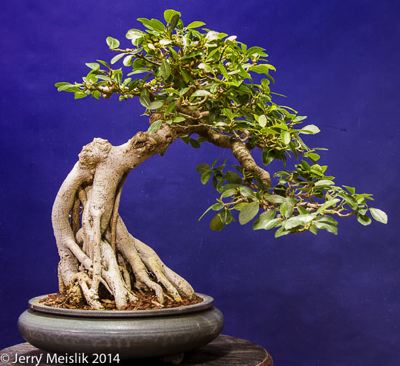
    Ficus 'Mystery' #2
    Ficus ‘Mystery’ #2

    You can see how these two figs were created from a tree given to me by David Fukumoto of www.fukubonsai.com by clicking here http://www.bonsaihunk.us/info/BreakingUpIsEasyToDo.html

    One of David’s figs of this species is in the National Bonsai and Penjing Museum in Washington, DC. It is a beauty.

    Let me know how you like mine.


    The definitive reference work on Ficus
    for bonsai. The book is a softcover, 8 by 10 inch volume, with 144 color pages, containing detailed information for the beginner as well as the advanced hobbyist.
     Click here for more information
     

  • Exposed root styles

    One of my favorite styles for tropical bonsai is the exposed root style. This may represent trees whose roots have been gradually exposed by a river washing the soil away from the roots or with trees growing on a hillside which is being eroded away. It also could be the end stages of a tree starting life as a strangler or epiphyte and then having the host trunk die and rot away leaving the strangler exposed by itself.

    See how these various figs in this style work for you.


    Ficus natalensis
    Ficus natalensis
    _MG_1355
    Ficus natalensis
    _MG_1365
    Ficus ‘Mystery’
    _MG_1385
    Ficus ‘Mystery’
    _MG_1391
    Ficus ‘Mystery’
    _MG_1403
    Ficus ‘Mystery’


    The definitive reference work on Ficus
    for bonsai. The book is a softcover, 8 by 10 inch volume, with 144 color pages, containing detailed information for the beginner as well as the advanced hobbyist.
     Click here for more information

  • Which side do you like the best?

    This is a young Ficus natalensis. Ficus natalensis is one of the best figs for bonsai as it is vigorous, develops aerial roots, tolerates growing in containers as well as growing well in relatively poor light.

    Which of the two sides do you prefer?

    This is side one, showing a prominent bend in the trunk/root
    This is side one, showing a profusion of exposed roots
    _MG_0312
    This is side two showing a major prominent root/trunk movement